Selecting the Right chemistry tuition for Higher Exam Scores
Position Yourself for Success: Chemistry Tutoring Focused on Exam Readiness
Chemistry tutoring provides an important foundation for helping students prepare for exams. By means of personalized instruction and tailored learning plans, students can handle their unique challenges. Experienced tutors guide learners in mastering complex concepts while building confidence in their problem-solving abilities. Through concentration on effective study strategies and resources, students can accomplish their academic goals. Nevertheless, what specific techniques and success stories highlight the effectiveness of this approach?
Understanding the Value of Chemistry Tutoring
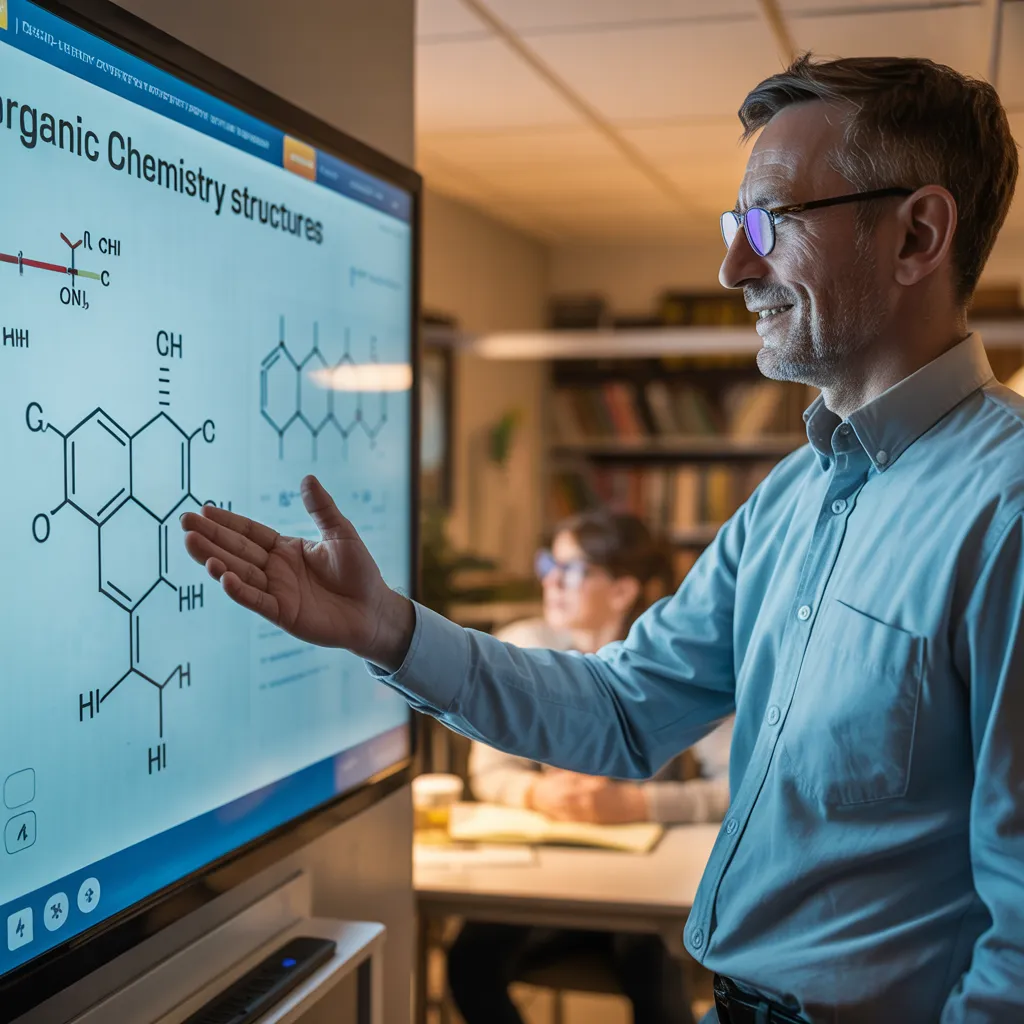
Chemistry tutoring provides considerable benefits to many students, particularly when they're preparing for exams. Mastering complex topics such as chemical reactions, stoichiometry, and molecular structures typically proves challenging. This is precisely where tutoring provides valuable support. Through personalized interaction, tutors can elucidate complicated subjects, presenting explanations that match individual learning styles.
Furthermore, a structured tutoring environment enables students to ask questions openly, promoting a deeper understanding of the material. Regular sessions can solidify knowledge and build confidence, which is essential when facing high-stakes exams. Additionally, tutors often incorporate practice problems and past exam questions, allowing students to become familiar with the exam format and kinds of questions they may encounter.

Customized Study Approaches for Personal Goals
Personalized learning plans are critical for tackling the individual needs of each student in chemistry tutoring. By integrating tailored study strategies and focused skill development, tutors can successfully strengthen understanding and retention of material. Furthermore, flexible scheduling options facilitate more accommodating learning environments, further supporting student success.
Personalized Academic Approaches
Solid study techniques are crucial for students studying for chemistry exams, as they can substantially improve understanding and retention of complex concepts. Individualized study strategies involve evaluating each explore this student's unique strengths and weaknesses, permitting the development of customized approaches that cater to individual learning styles. This might include different methods such as visual aids, practice problems, or interactive simulations. By emphasizing specific areas of difficulty, students can allocate their study time more effectively, making sure that they comprehend foundational principles before approaching more advanced topics. Regular progress assessments can further refine these methods, empowering students to adjust their study habits as needed. Finally, tailored study strategies foster a more compelling and effective learning experience in chemistry.
Targeted Ability Enhancement
Building upon personalized study strategies, focused skill development emphasizes the importance of creating tailored learning plans that address individual student needs. Each student has distinct strengths and weaknesses; consequently, a one-size-fits-all approach could hinder progress. Tutors assess students' current knowledge, identifying specific areas demanding improvement, such as problem-solving skills or conceptual understanding. By focusing on these targeted skills, tutors design lessons that incorporate relevant examples and practice problems, making certain students grasp essential concepts thoroughly. This customized approach promotes greater engagement, allowing students to build confidence and competence in chemistry. Eventually, focused skill development not only prepares students for exams but also cultivates a deeper appreciation for the subject, laying a solid foundation for future academic endeavors.
Versatile Booking Alternatives
Adaptable scheduling choices serve a crucial function in meeting the diverse needs of students preparing for chemistry exams. Understanding that every learner possesses distinct obligations and study rhythms, effective tutoring programs offer a variety of scheduling choices. This flexibility empowers pupils to designate sessions that fit their personal and academic lives, whether through evening or weekend classes. Additionally, tutors can develop personalized educational strategies that align with individual goals and timelines, securing a focused approach to exam readiness. By delivering alternatives that suit diverse schedules, these programs boost learner participation and drive, ultimately leading to improved academic performance. As a result, flexible scheduling functions as a pillar of successful chemistry tutoring, fostering an environment beneficial for learning and attainment.
Professional Mentorship: Studying With Skilled Educators
While many students struggle with complex chemistry concepts, studying with seasoned tutors can significantly improve their comprehension and self-assurance. Such educators have extensive expertise and hands-on experience, making it possible for them to personalize their educational techniques to fulfill unique student demands. They can break down intricate topics, rendering them more understandable and relevant.
In addition, skilled tutors are adept at identifying frequent misconceptions and providing targeted feedback, which is crucial for mastering difficult material. Their knowledge of the academic curriculum and exam formats allows them to equip students with crucial skills and strategies needed for success.
In addition, the nurturing environment developed by these tutors encourages honest communication, permitting students to present questions and express difficulties without hesitation. This tailored attention not only aids in grasping complex concepts but also elevates student morale and motivation, consequently contributing to a more effective learning experience in chemistry.
Successful Study Techniques for Exam Preparation
To improve exam preparation in chemistry, students should adopt effective study strategies that encourage understanding and retention of material. One key approach is to build a structured study schedule, designating specific times for different topics while ensuring regular review sessions. Utilizing active learning techniques, such as paraphrasing concepts in their own copyright or teaching the material to a peer, can substantially improve comprehension.
Additionally, students should include practice problems, as these strengthen knowledge and reveal areas that demand further attention. Utilizing varied resources, including textbooks, online platforms, and study groups, promotes a deeper understanding of complex concepts. Implementing mnemonic devices or visual aids can also support memory retention.
In conclusion, students should prioritize a balanced study environment—eliminating distractions and ensuring adequate breaks—to enhance focus and prevent burnout. By applying these strategies, students can effectively prepare for their chemistry exams, positioning themselves for success.
Building Self-Confidence in Problem-Solving Abilities
Developing confidence in problem-solving skills is critical for students to master chemistry and address complex concepts with ease. A solid foundation in problem-solving not only boosts understanding but also inspires a proactive approach to learning. Students who feel proficient in their abilities are more likely to work with challenging material, experiment with various strategies, and ultimately develop a deeper comprehension of chemical principles.
Tutoring can play a pivotal role in this process. By offering individualized guidance, tutors help students simplify intricate problems into manageable steps, cultivating a sense of achievement with each solution. Regular practice under the supervision of a knowledgeable tutor allows for immediate feedback, reinforcing correct methods and highlighting areas for improvement. This iterative learning process develops resilience and adaptability, vital traits for mastering chemistry. As students develop confidence in their problem-solving abilities, they are better equipped to face exams and apply their knowledge proficiently in diverse scenarios.
Educational Resources and Tools for Advanced Learning
Efficient learning in chemistry can be significantly improved with the right resources and tools at a student's disposal. Textbooks and online materials provide foundational knowledge, while interactive simulations and virtual labs enable students to visualize complicated concepts and conduct experiments safely. Moreover, mobile applications can facilitate on-the-go learning, delivering practice problems and flashcards that strengthen key terminology and principles.
Team-based tools, including discussion forums and study groups, permit students to engage with peers and share insights, fostering a communal learning environment. Additionally, tutoring platforms utilizing video conferencing technologies provide personalized instruction adapted to individual learning styles.
Incorporating these tools not only supports comprehension but also promotes active engagement, making the study of chemistry more interesting and effective. By utilizing a diversity of tools, students can establish an extensive understanding of the subject, ultimately strengthening their exam readiness.
Real Success Stories: Tangible Results With Chemistry Tutoring
Several students have witnessed considerable progress in their chemistry test scores after undertaking targeted tutoring. This personalized approach not only enhances students' understanding of complex concepts but also boosts their confidence in tackling challenging material. As a result, these success stories demonstrate the effectiveness of chemistry tutoring in preparing students for exams.
Enhanced Exam Results
As learners involved in chemistry tutoring carefully prepare for their exams, many success stories arise, showcasing remarkable improvements in test scores. A large number of students initially struggling with complex topics have reported substantial improvements, transforming their academic performances. For instance, one student, who began with a score of 58%, achieved a 92% after consistent tutoring sessions, exemplifying the effectiveness of individualized guidance. Another case involved a group of students who, collectively, elevated their average scores from 70% to 85% following a focused review of key concepts. These tangible results underscore the positive impact of tailored tutoring approaches, fostering not only better performance but also increased confidence among students as they face their exams. Such success stories act as motivation for future learners.
Improved Idea Comprehension
Even though some learners originally perceive chemistry concepts intimidating, success stories from tutoring sessions indicate a significant improvement in understanding. Through tailored guidance, tutors help students simplify complex topics into understandable components. For instance, one student faced challenges with stoichiometry until a tutor presented visual aids and real-life applications, changing the student's knowledge of the subject. Another student who had problems with chemical bonding had a breakthrough after working through interactive problem-solving sessions. These tailored approaches not only clarify difficult concepts but also cultivate confidence and curiosity. As students become more adept at understanding intricate ideas, they develop a deeper appreciation for chemistry, demonstrating that effective tutoring can greatly enhance comprehension and academic performance.
Common Questions
What Qualifications Should I Look for in a Chemistry Tutor?
When picking a chemistry tutor, one must prioritize qualifications including a strong educational foundation in chemistry, relevant teaching experience, good communication skills, and a proven track record of helping students reach their academic goals.
How Much Time Before an Exam Should I Begin Tutoring?
Ideally, students should commence tutoring sessions at least 4-6 weeks before an exam. This timeline allows for comprehensive review, practice of complex concepts, and enough time to address any persistent questions or challenges.
Can Online Tutoring Sessions Be as Effective as In-Person Instruction?
Research demonstrates that remote tutoring sessions can be equally effective as face-to-face sessions, given that the tutor engages students actively and employs the right tools. Personal preferences and learning styles may affect effectiveness, however.
What's the Average Price for Chemistry Tutoring Services?
The standard cost of chemistry tutoring services ranges from $25 to $100 per hour, influenced by factors such as the tutor's experience, location, and whether the sessions are delivered online or in person.
Can Tutoring Support College-Level Chemistry Courses?
College-level chemistry courses can be substantially improved through tutoring. It gives personalized help, clarifies intricate concepts, and develops problem-solving skills, ultimately resulting in improved academic performance and greater confidence in addressing challenging material.